

Charming Flowers
Gardening & Décor with Flowers, Plants & More!
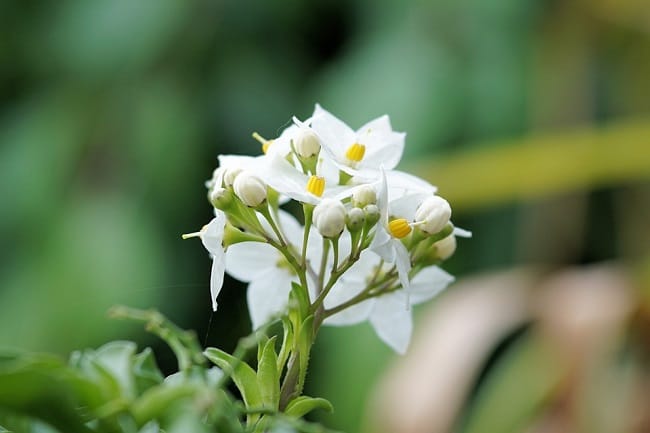
Jasmine
Jasmine flowers have an unmistakable smell attached to them. The Jasmine is a very popular flower around the world especially in the tropics because of its unique fragrance. The Jasmine is native to tropical and warm or temperate regions of the old world. Jasmine is a genus of shrubs and vines in the olive family. It contains around 200 species native to tropical…
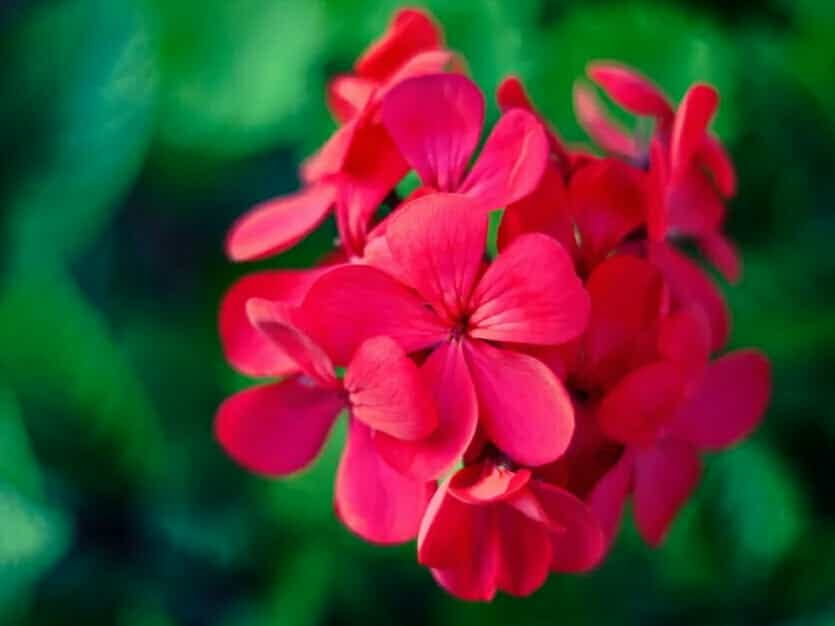
Geranium
Geranium is best to grow in the winter season. If you take proper care of Geranium plant, it will survive & keep blooming till summer season. Geraniums are a longtime favorite of gardeners. They are easy to grow, colorful, and emit a lovely scent. Geraniums are popular plantings across the South. They add fragrant foliage and bright blooms wherever they're planted,…
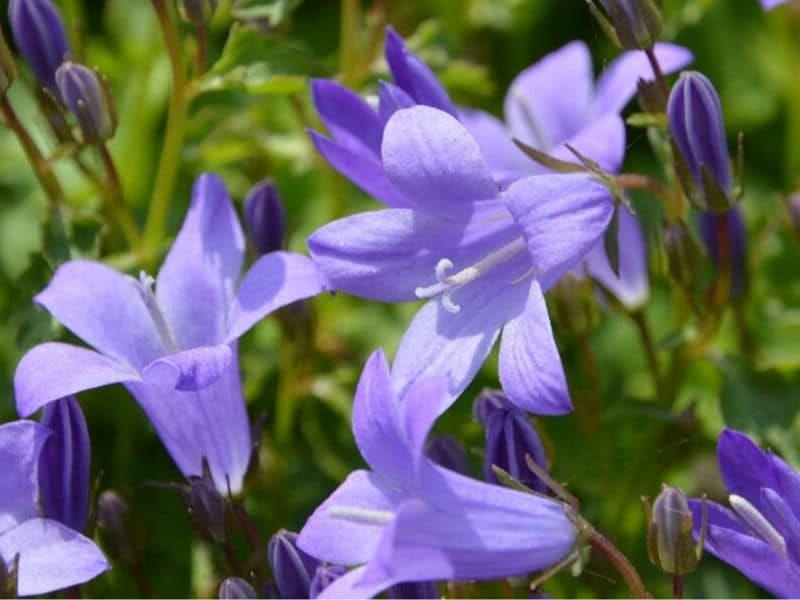
Bell Flower
Bellflowers will bloom heaviest in June and July but can delight you with flowers all the way into October in some areas. The primary characteristic is the upturned, open cup-shaped flowers in hues of pink and white but primarily lavender or light blue. The plants will spread over the seasons and the lower growing varieties make excellent ground cover. Most…
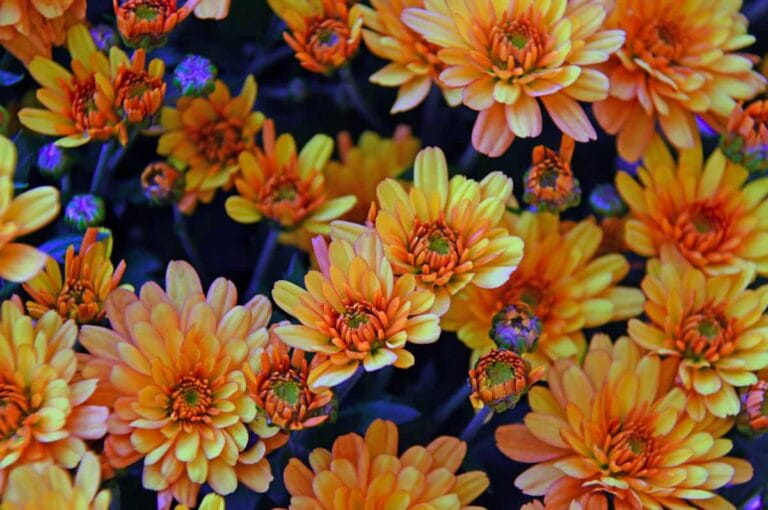
Chrysanthemum
The Winter season is the best season to plant a chrysanthemum flower plant. The chrysanthemum is one of the most colourful flowers that bloom in fall. Even during the grey and dreary winters, chrysanthemums signify beauty and joy. Its flowers bloom very well in a cold climate. Chrysanthemum can be grown by two methods cutting & seeding. Just pick your…
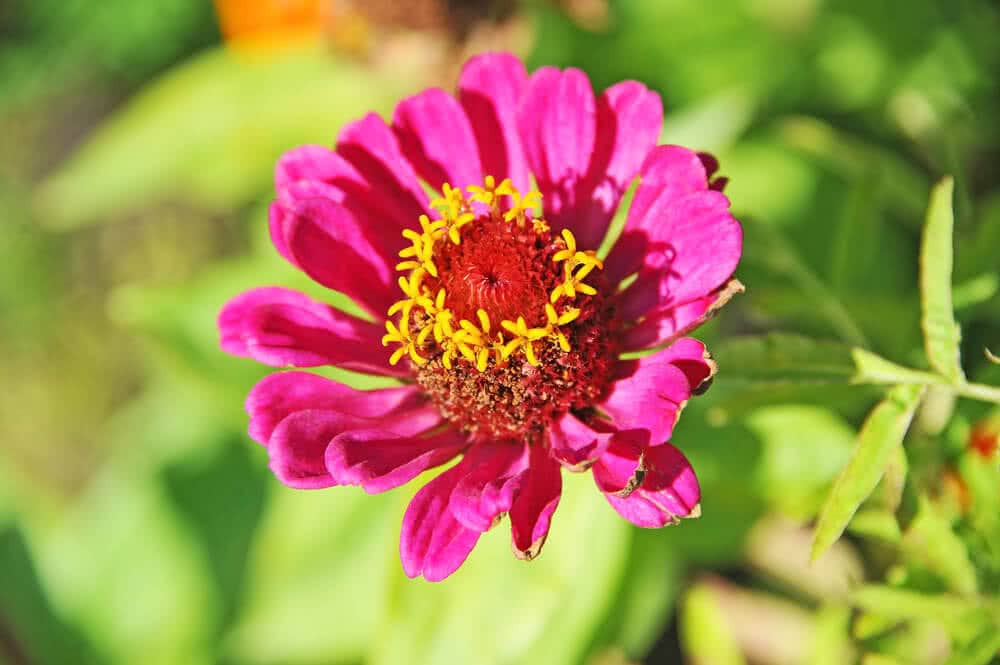
Zinnia
Very easy to grow, exquisite for borders, pots, blooms for an extended period. Zinnias are one of the easiest flowers to grow, as they grow quickly and bloom heavily. Zinnia flowers can create a massive burst of color in your garden, so consider trying them this year! Zinnias have stiff, hairy stems and oval or lance-shaped leaves arranged opposite each other and often clasping…
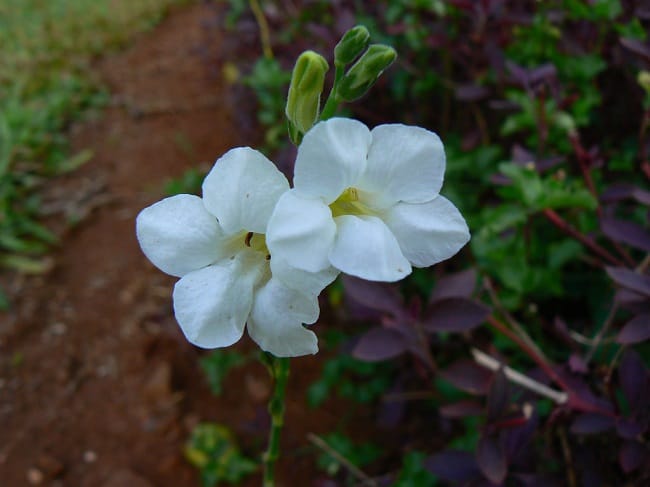
Ganges Primrose
This plant spreads over large areas quickly to cover them in bright blossoming flowers. They produce daily flowers which can be a creamy white color or lavender depending on the variant of the plant. Ganges primrose is a perennial herb 30-80 cm long; stem branched, 4-angled, climbing. The Ganges Primrose is a naturally evergreen (in frost-free climates), groundcover-like, mounding and spreading, shrub-like perennial.…
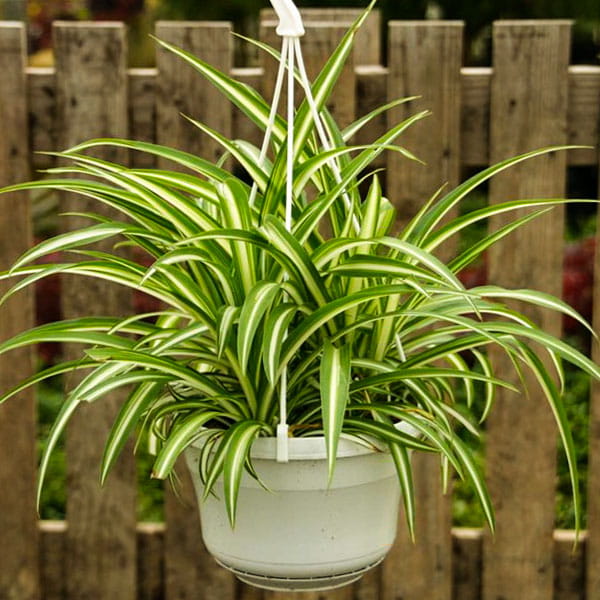
Green Spider Plant (Chlorophytum Comosum)
Looking for an indoor plant that is exceptionally easy to care for? A plant whose leaves whose leaves can add a dash of contrast to your home? Then look no further. Studies have shown that spider plant is quite effective in cleaning indoor air by absorbing chemicals including formaldehyde, xylene, benzene, and carbon monoxide in homes or offices. Spider plants…
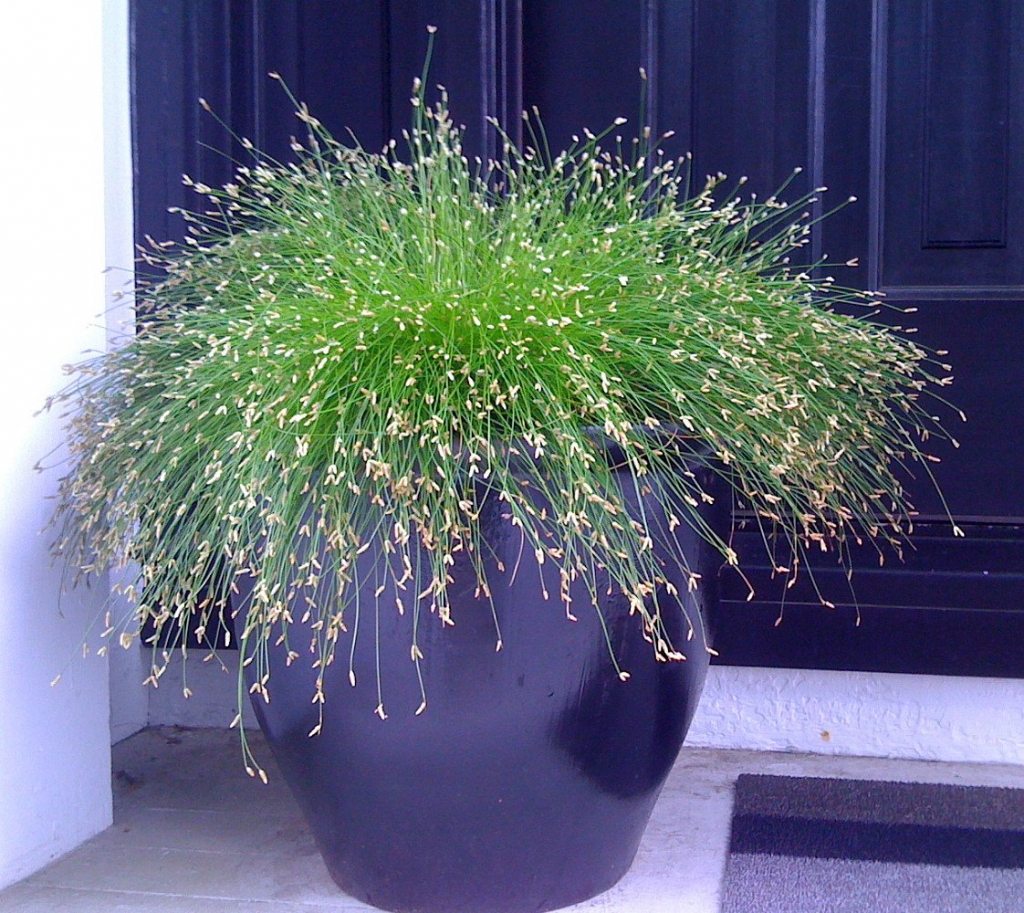
Fiber Optic Grass
This bright green, grass-like plant gets its name from its resemblance to a fiber optic lamp—multiple stems with tiny flower spikes at the tips. This easy-to-grow plant grows upright when it is young, then spills gracefully over the edges of containers or garden walls as it matures. This bright green, grass-like plant has small flower spikes at the stem tips…
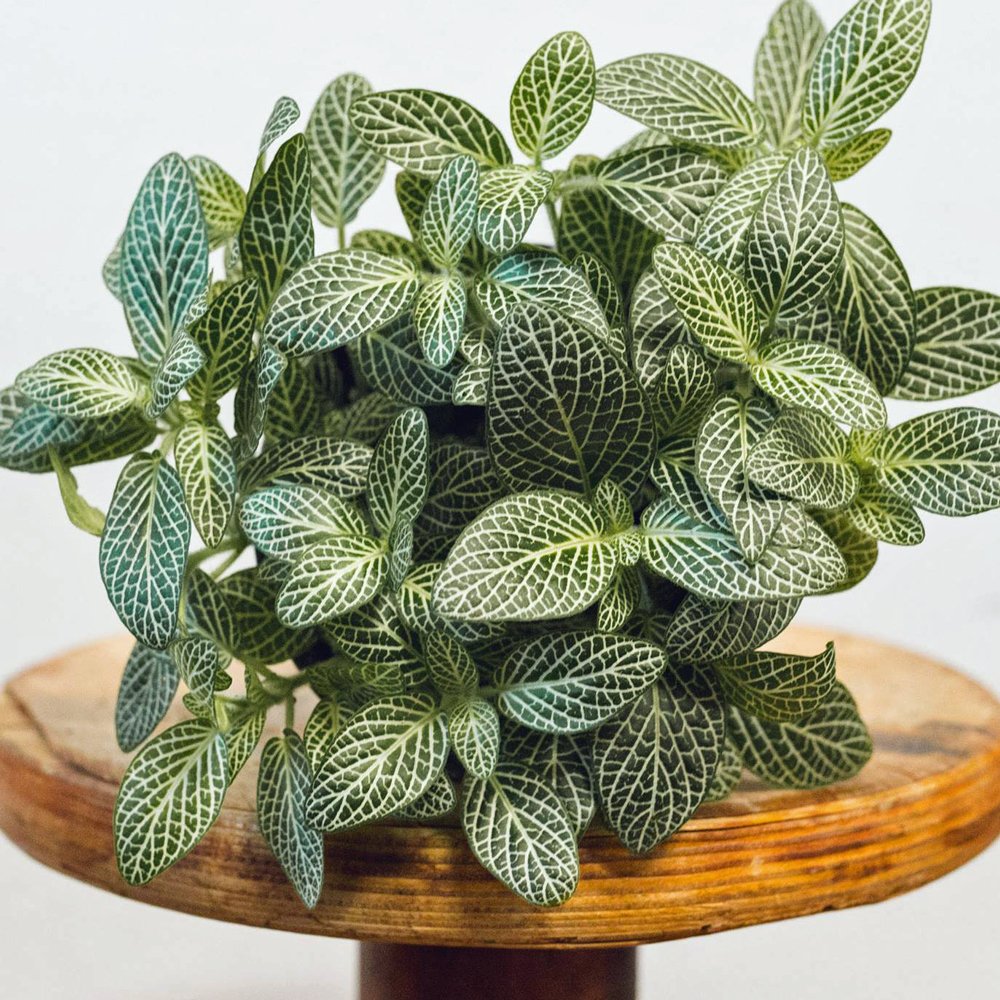
Nerve Plant
The plant rarely flowers when grown as an indoor houseplant, it does occasionally bloom with insignificant reddish or yellowish-white spikes. Nerve plant is a low-growing creeper that is a perfect fit for terrariums or bottle gardens. Fittonia albivenis is a species of flowering plant in the family Acanthaceae, native to the rainforests of Colombia, Peru, Bolivia, Ecuador and northern Brazil. An evergreen perennial,…
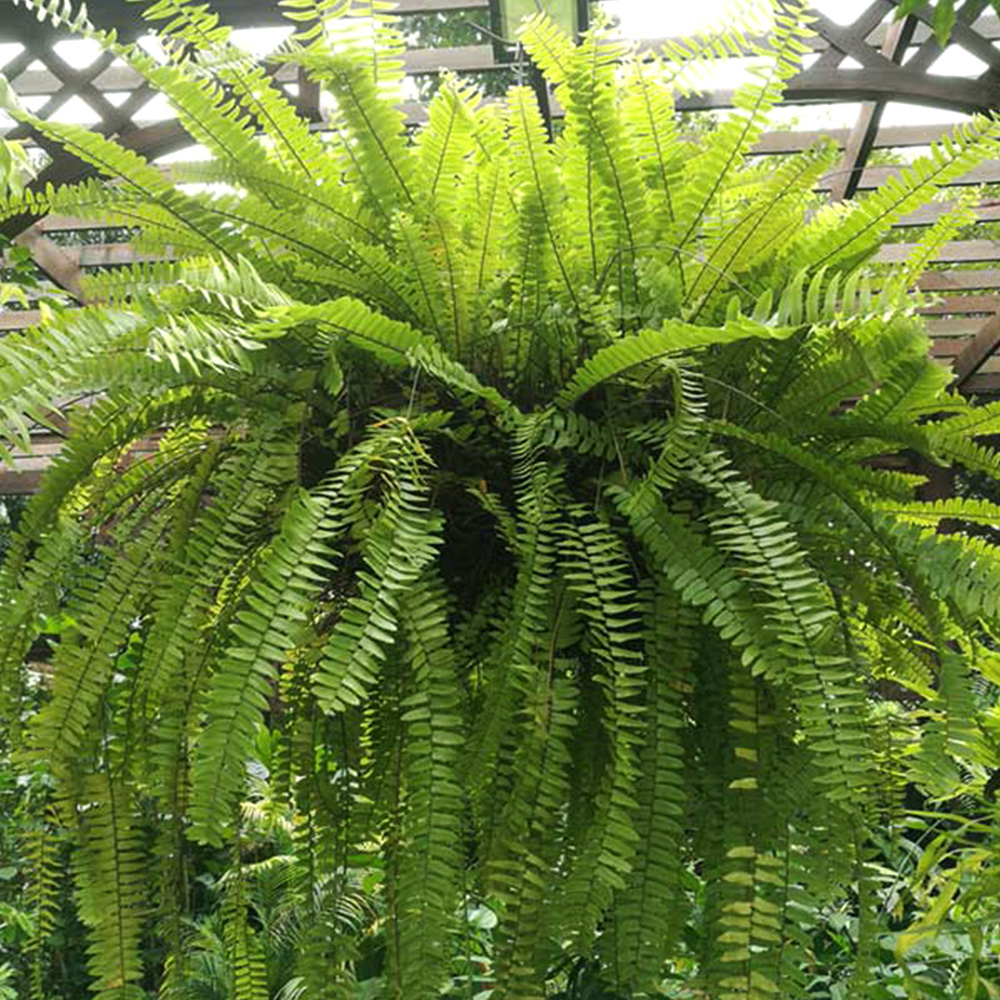
Boston Fern
For extra humidity care for Boston fern, try setting your fern’s pot on a tray of pebbles filled with water. You can also try lightly misting your fern once or twice a week to help it get the humidity it needs. Boston fern is to make sure that the fern’s soil remains damp. Dry soil is one of the number…
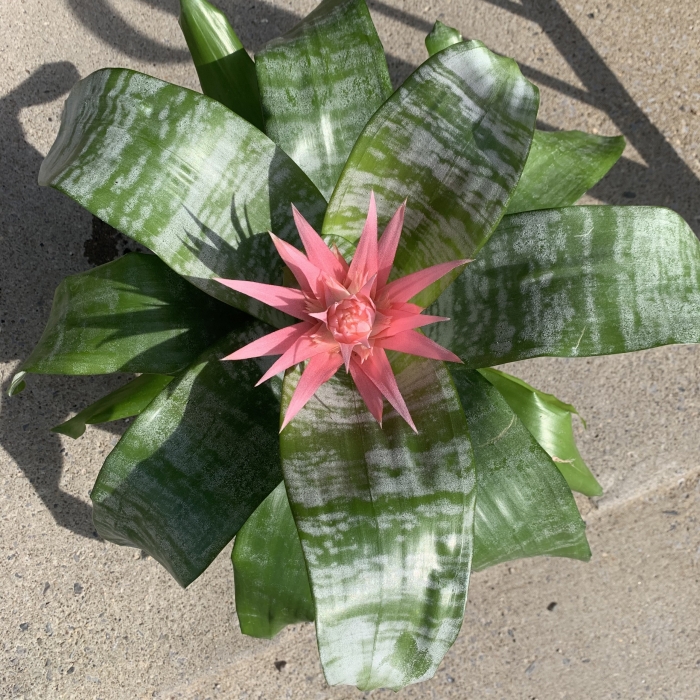
Silver Vase Plant
Aechmea fasciata (Urn Plant or Silver Vase Plant) makes a great houseplant because it’s beautiful and low-maintenance. Aechmeas make great houseplants and their large pink blooms can brighten your home for months. The silver vase plant forms an upright vase-shaped rosette of arching silver green leaves with spiny edges. The silver coloring comes from the whitish scales called trichomes that…
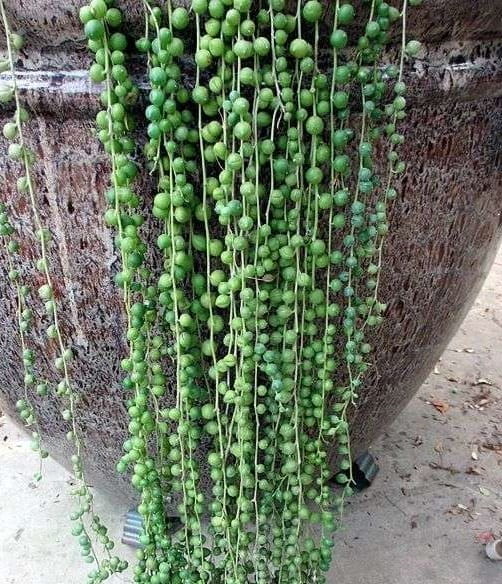
String of Pearl Plants (Senecio Rowleyanus)
You could go for a variety of plants to make your interiors look bright and beautiful. One of them is the String of Pearls Plant. These succulent plants are a great indoor collection and are one of the easiest to grow in any weather condition. They belong to the family of Senecios that are stringed beady plants, great for indoors.…